Eko-Tech Converting Company - maskowanie-fineline-header-pc
Eko-Tech Converting Company - maskowanie-fineline-header-mobile
Fine Line Masking

Fineline Masking for Two‑Tone & Design Painting

Automotive OEM & Tier • Bus • Trains • Trams
Fineline masking is the critical step that defines how clean, sharp, and repeatable your paint edges look—on car bodies and plastic parts, as well as on large transportation vehicles like buses, trains, and trams. Choosing the right fineline tape and application method minimizes rework, speeds up demasking, and protects downstream bonding areas.

Application Overview & Selection Guidance

Where fineline masking is used
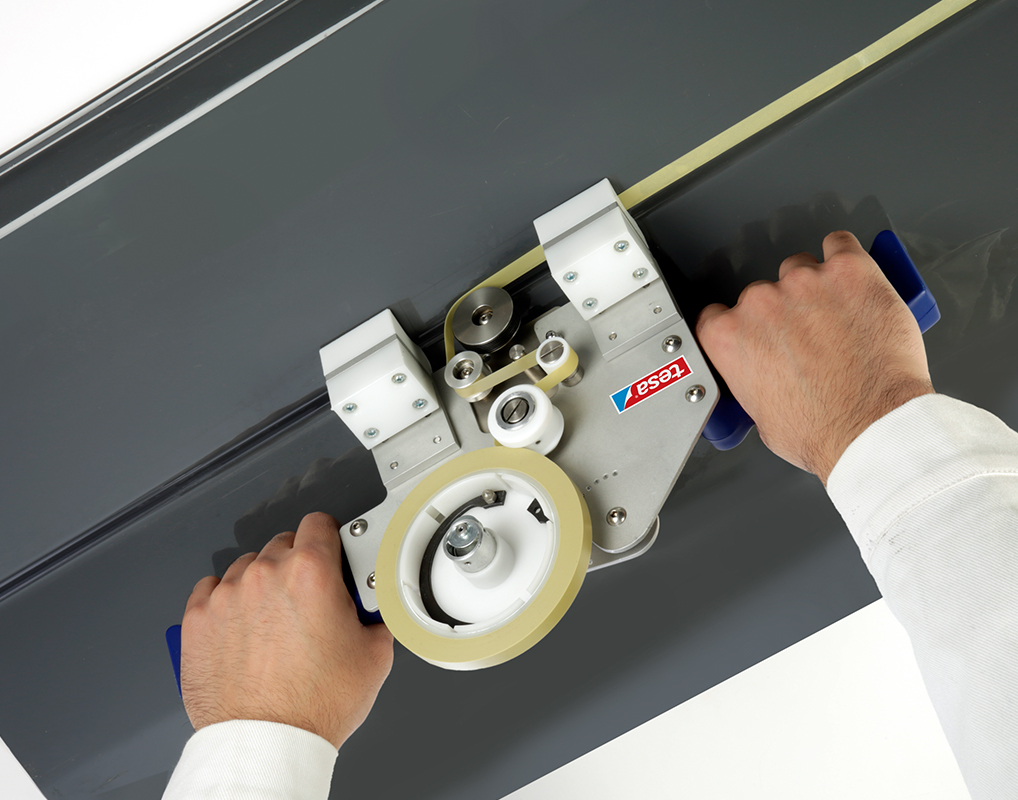
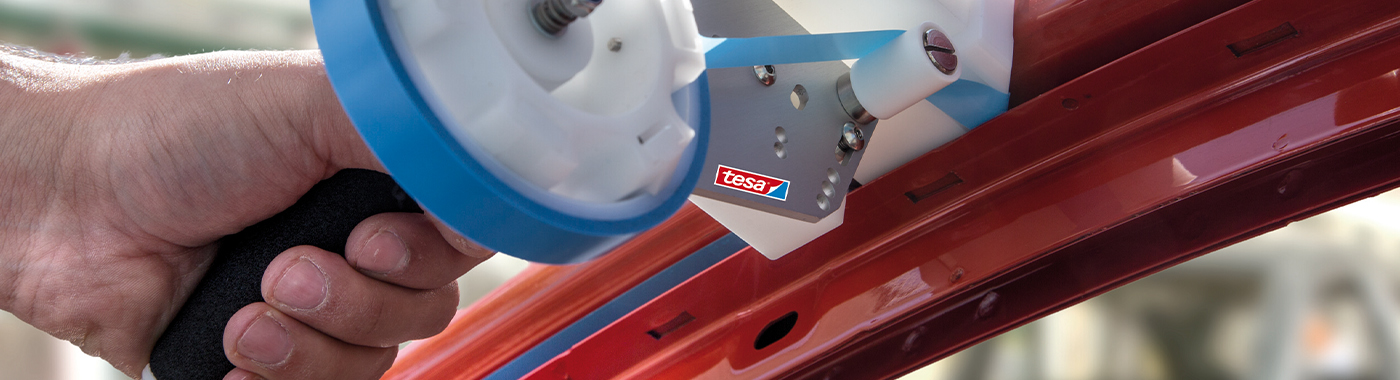
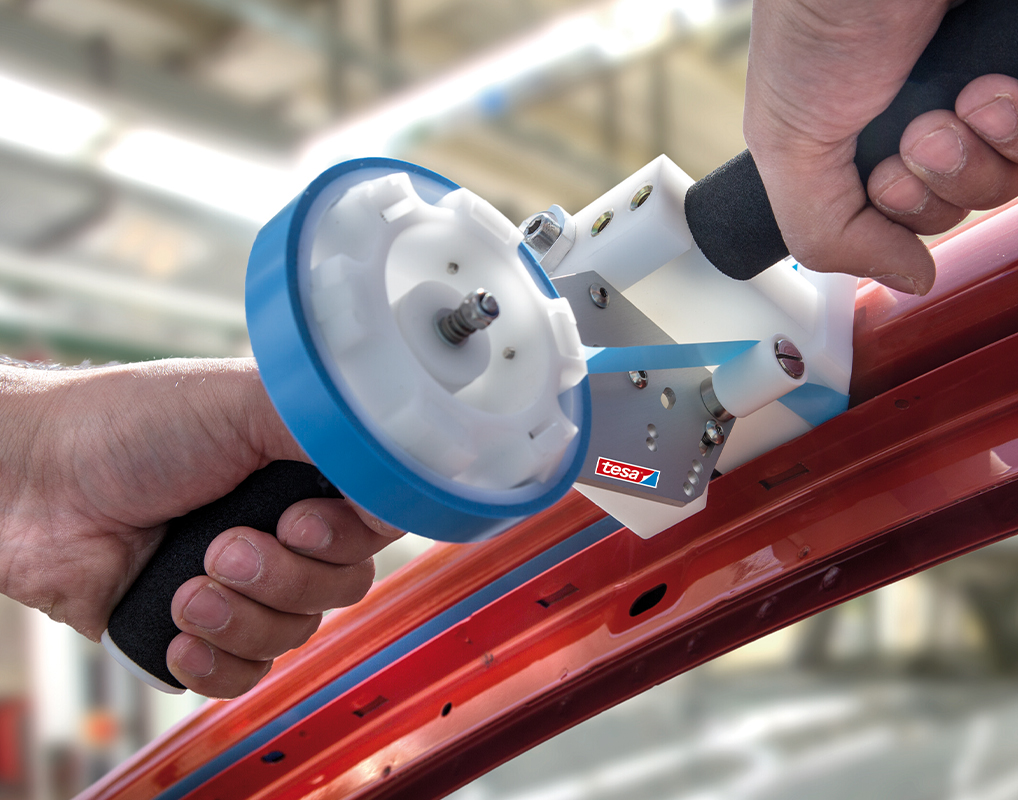
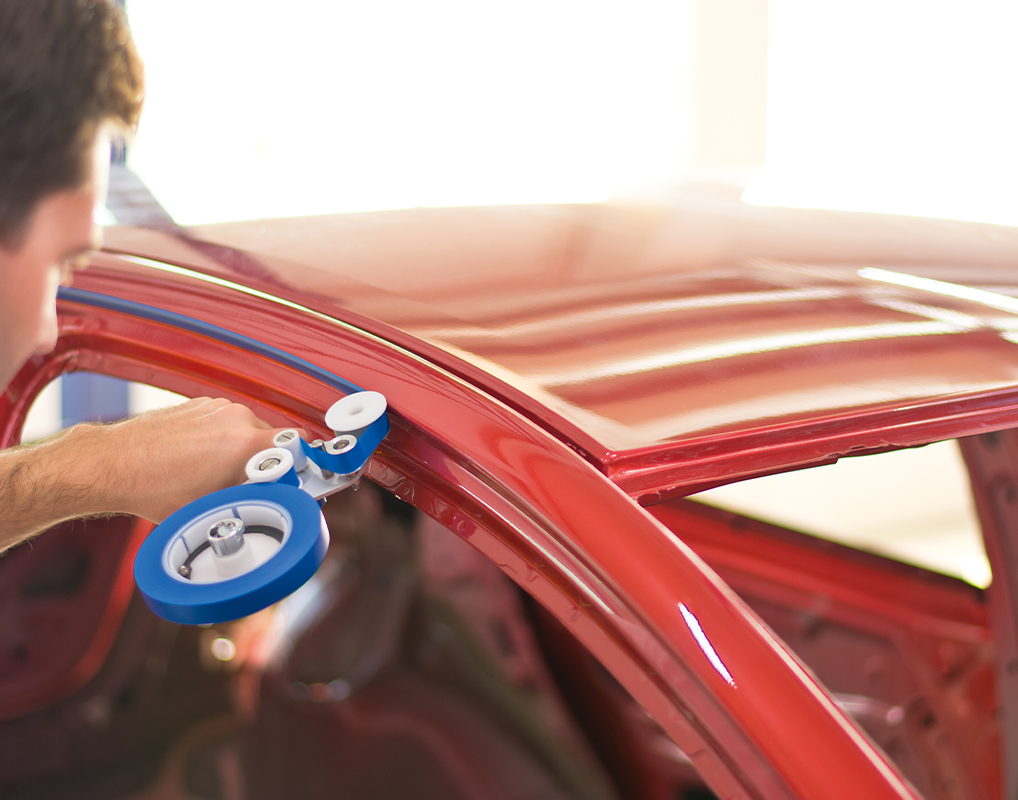
  • Two‑tone & color split lines on car bodies, doors, roof frames, pillars, wheel arches, bumpers.

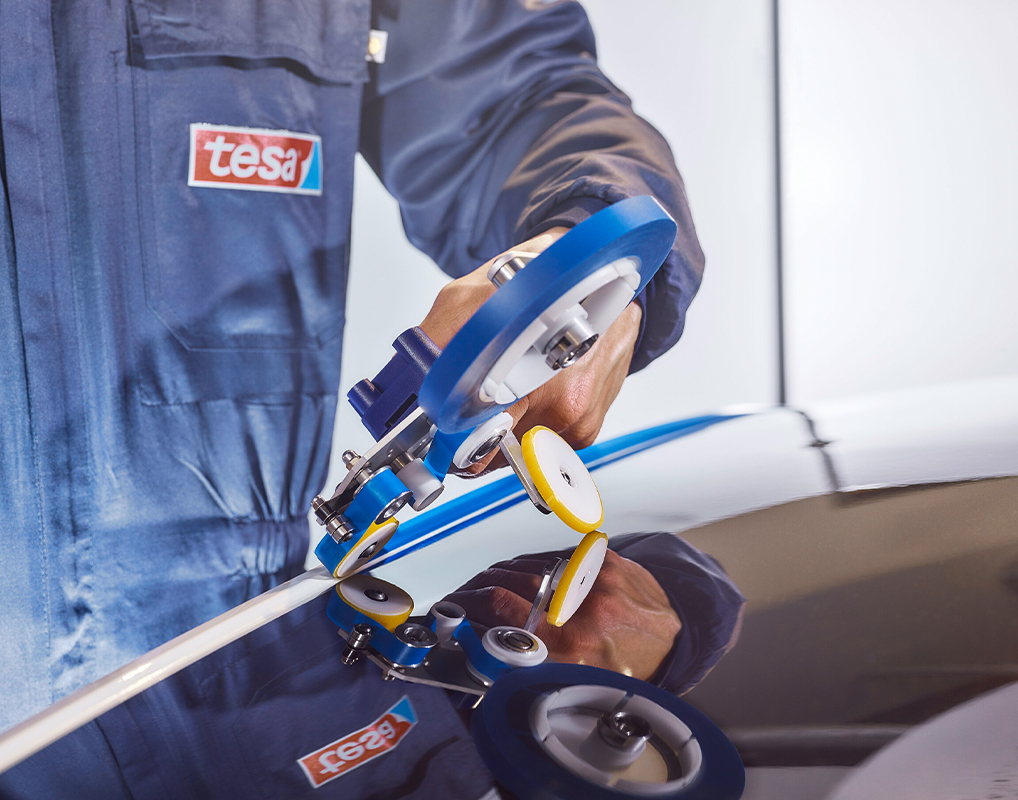
  • Design/livery lines and brand striping on buses, trains, and trams (long runs, gentle radii).

  • Plastic parts (ABS/PC/PP) requiring sharp, flat paint edges with clean removal.

  • Protected bonding areas that must remain unpainted for USW, liquid adhesives, or tapes.

Fine Line Masking
Fine Line Masking

Typical paint‑shop conditions to consider

  • Bake profiles: low, mid, and high temperature cycles (approx. 80–160 °C).

  • Paint chemistries: waterborne & solventborne basecoats/clearcoats; e‑coat influence.

  • Demasking method: dry or wet‑demasking; speed of removal; multiple oven cycles.

  • Pre‑treatments: power wash, flame/Plasma pre‑treatments on plastics.

  • Regulatory constraints: PVC/halogen considerations (esp. rail), sustainability targets

Common challenges the right tape solves

  • Razor‑sharp edge quality with minimal paint‑step.

  • No ghosting or adhesive shadowing after bake.

  • Reliable conformability in tight curves and 3D geometries without edge lift.

  • Stable adhesion through ovens yet clean, one‑piece removal—even after multiple cycles.

  • Compatibility with plastics & painted surfaces, avoiding residue and staining.

  • Protection of bonding areas from overspray so adhesive joints remain strong.

Selection checklist (engineer’s quick reference)
  • Bake temperature/time (e.g., ≤80 °C, ≤140 °C, ≤160 °C).

  • Substrate (painted metal, e‑coat, plastic types such as ABS/PC/PP).

  • Edge visibility requirement (highly visible color split vs hidden area).

  • Line geometry (tight radii vs long, gentle curves on buses/trains).

  • Paint system sensitivity (risk of rubber‑adhesive ghosting? consider acrylic).

  • Demasking conditions (wet vs dry; hot vs cold peel).

  • Process extras (power wash, surface pre‑treatment, multiple oven cycles).

  • Regulatory/Sustainability (need PVC‑free?).

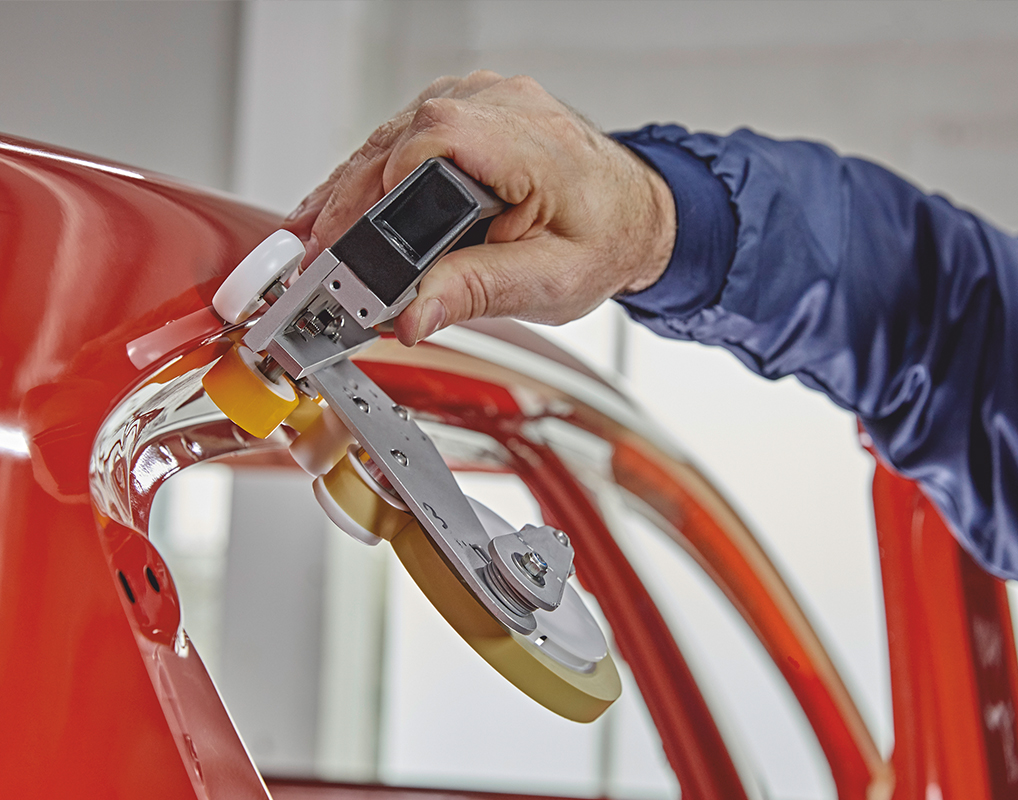
  • Application method (manual, semi‑automatic, with applicators).

  • Kitting/format needs (narrow widths, spool‑wound, die‑cut shapes).

Fine Line Masking

Best‑practice application tips

  • Clean and degrease; avoid silicone‑based cleaners.

  • Apply with light, even tension; use a soft squeegee for full edge contact.

  • Overlap tape ends away from the main sight line; avoid bridging gaps.

  • Bake as specified; demask warm where recommended to reduce paint step.

  • For bonding areas, use a pre‑bond masking tape that survives wash and bake.

Proven tesa® Fineline & Masking Solutions

Below are fineline and process‑support tapes frequently selected for OEM, Tier, and bus/rail paint operations. Each entry includes “When to choose” guidance and sample applications.

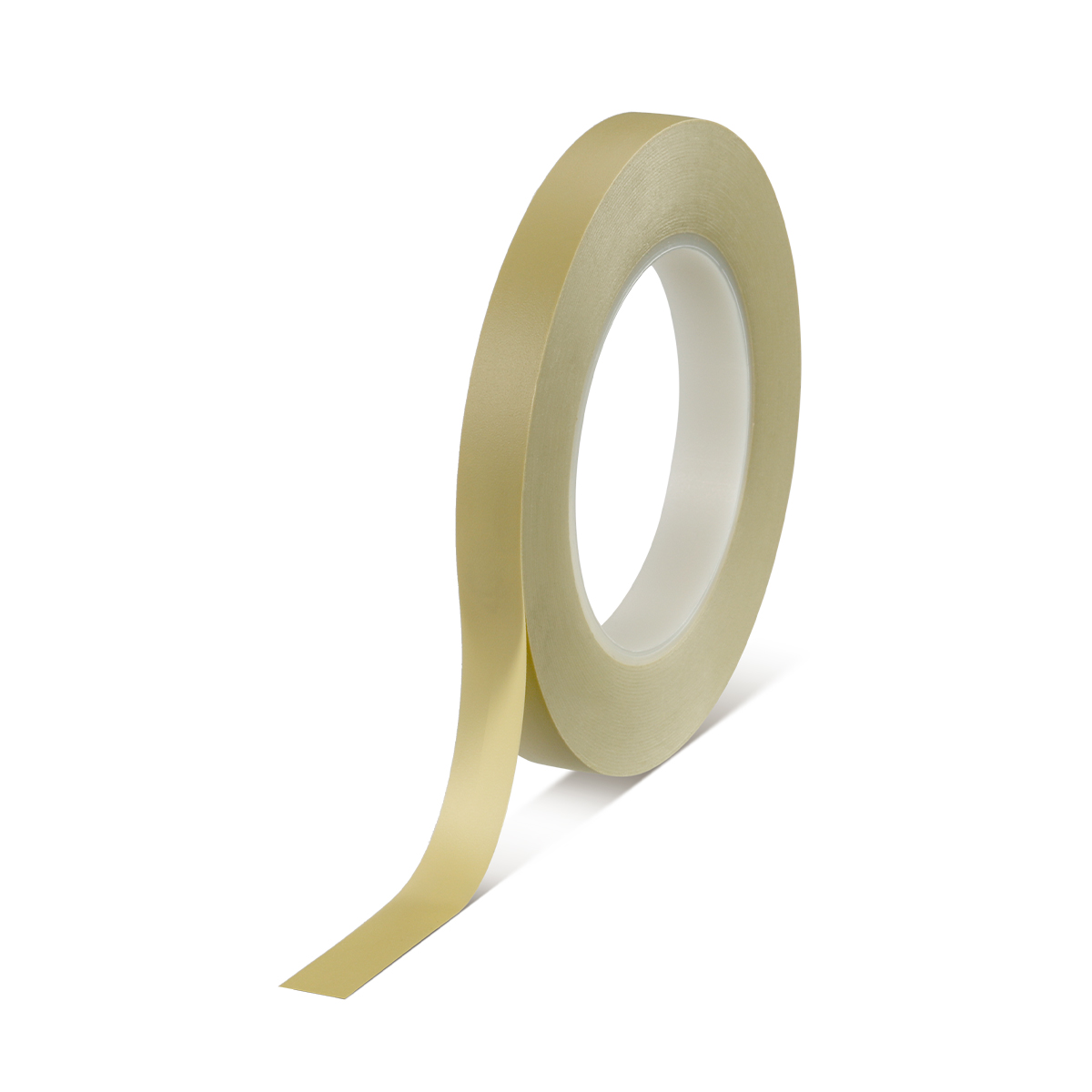
28100SFP

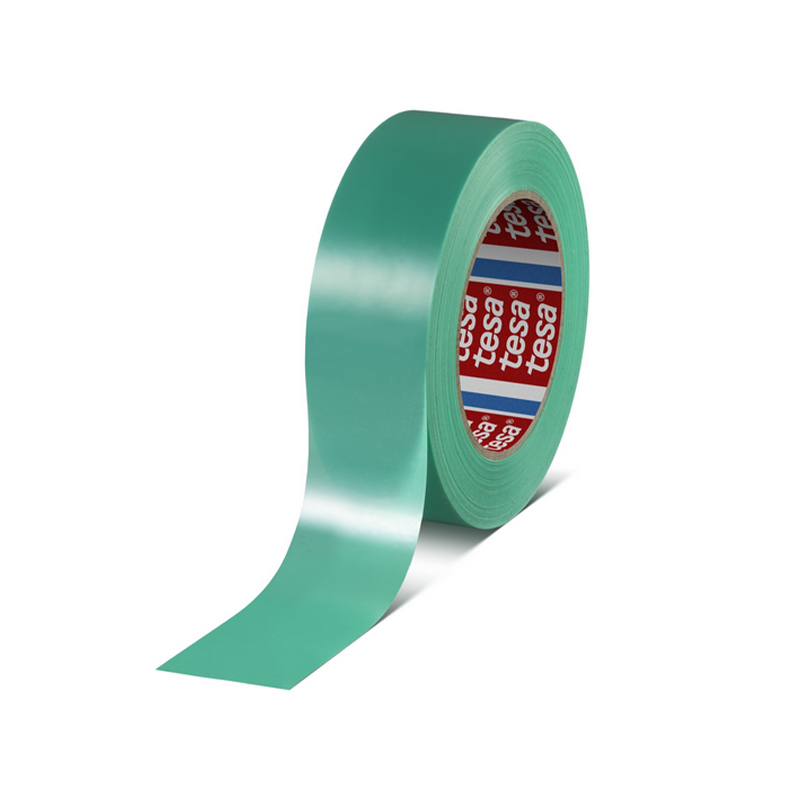
tesa® 50777 — Fineline tape for high‑temperature two‑tone painting

Key strengths:

  • Smooth, easy unwinding for manual or semi‑manual application.

  • No ghosting after high‑temp drying (up to 160°C).

  • Highly conformable in narrow curves; hand‑tearable.

  • Acrylic adhesive—a good choice where rubber adhesives risk ghosting.

When to choose:

  • Two‑tone/color split lines exposed to high oven temps.

  • Clearcoats sensitive to rubber adhesives.

  • Tight curves around door apertures and complex geometries.

Sample applications:

Rear door curves; multi‑tone body lines; curved styling accents.

tesa® 4174

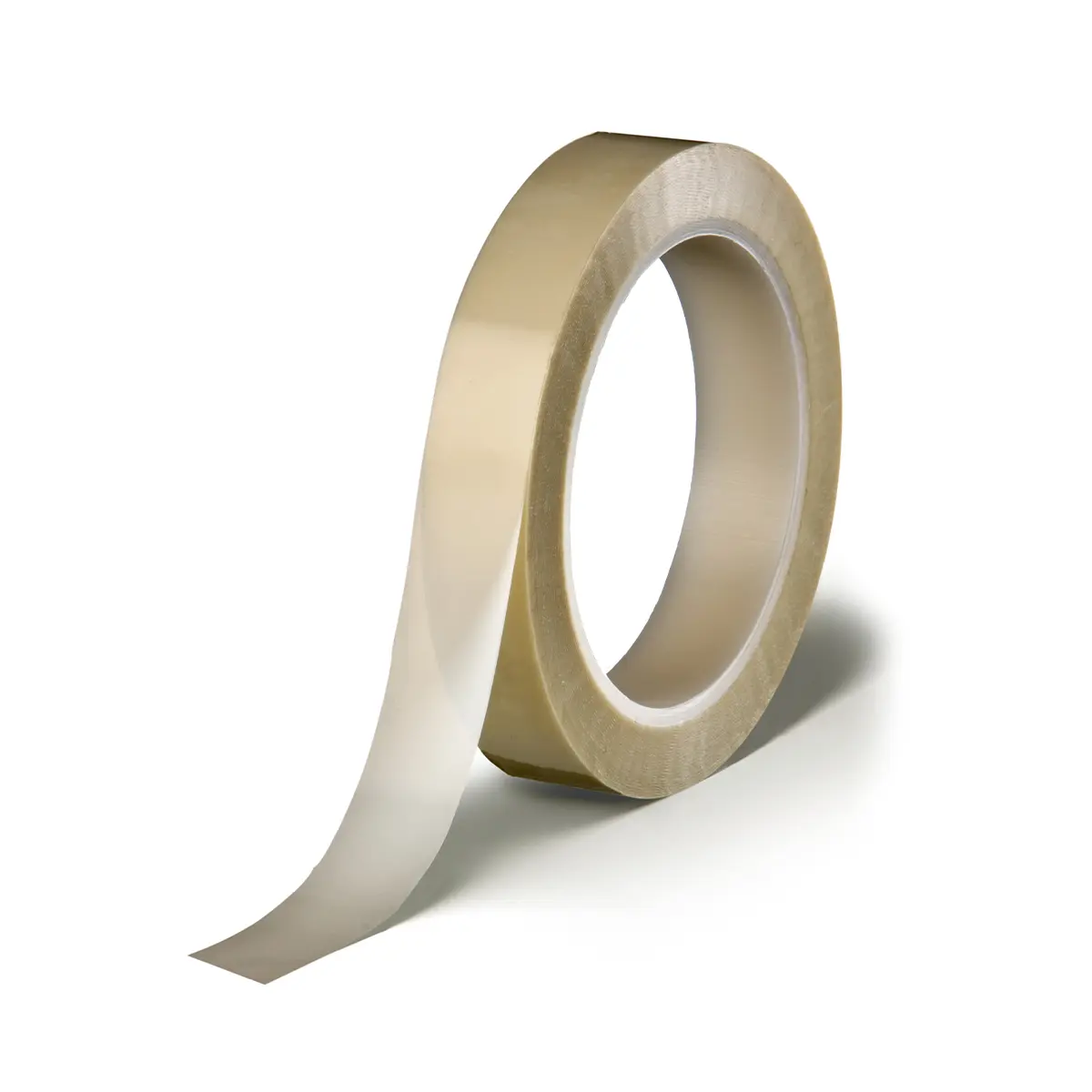
tesa® 4174 — Fineline tape for sharp edges on painted & non‑painted substrates

Key strengths:

  • Excellent masking on both painted and non‑painted surfaces.

  • No ghosting/residues to 150°C/1h; good conformability.

  • Edge does not lift; removes cleanly.

When to choose:

  • Plastic parts (e.g., bumpers, trims) needing flat, sharp edges.

  • Two‑tone masking where both coated and uncoated areas are involved.

Sample applications:

Plastic exterior/interior parts; two‑tone body masking.

tesa® 4185

tesa® 4185 — Thin fineline for visible edge lines at high temperature

Key strengths:

  • Thin, flexible PVC for crisp, highly visible split lines.

  • Natural rubber adhesive with strong hold; 160°C/1h resistance.

  • Good conformability; residue‑free removal.

  • Applicators available for efficient, repeatable application.

When to choose:

  • Premium visible edges (e.g., roof frame inner side) where a thin tape enhances edge quality.

  • High‑temp two‑tone processes requiring precise lines.

Sample applications:

Roof frame inner edges; visible color splits on Class‑A surfaces.

tesa® 4244PV0

tesa® 4244 PV0 — Mid‑temperature fineline for plastic parts & 3D shapes

Key strengths:

  • Flexible soft PVC with natural rubber adhesive.

  • Up to 140°C/1h; conforms with dimensional change during oven drying.

  • Good 3D conformability; edge stays down and removes cleanly.

  • Applicators available.

When to choose:

  • Bumper masking and complex 3D parts at mid‑temperature.

  • Tight/narrow curves where a soft backing is beneficial.

Sample applications:

Bumper paint lines; tight radii on molded components.

tesa® 4216 Transparent

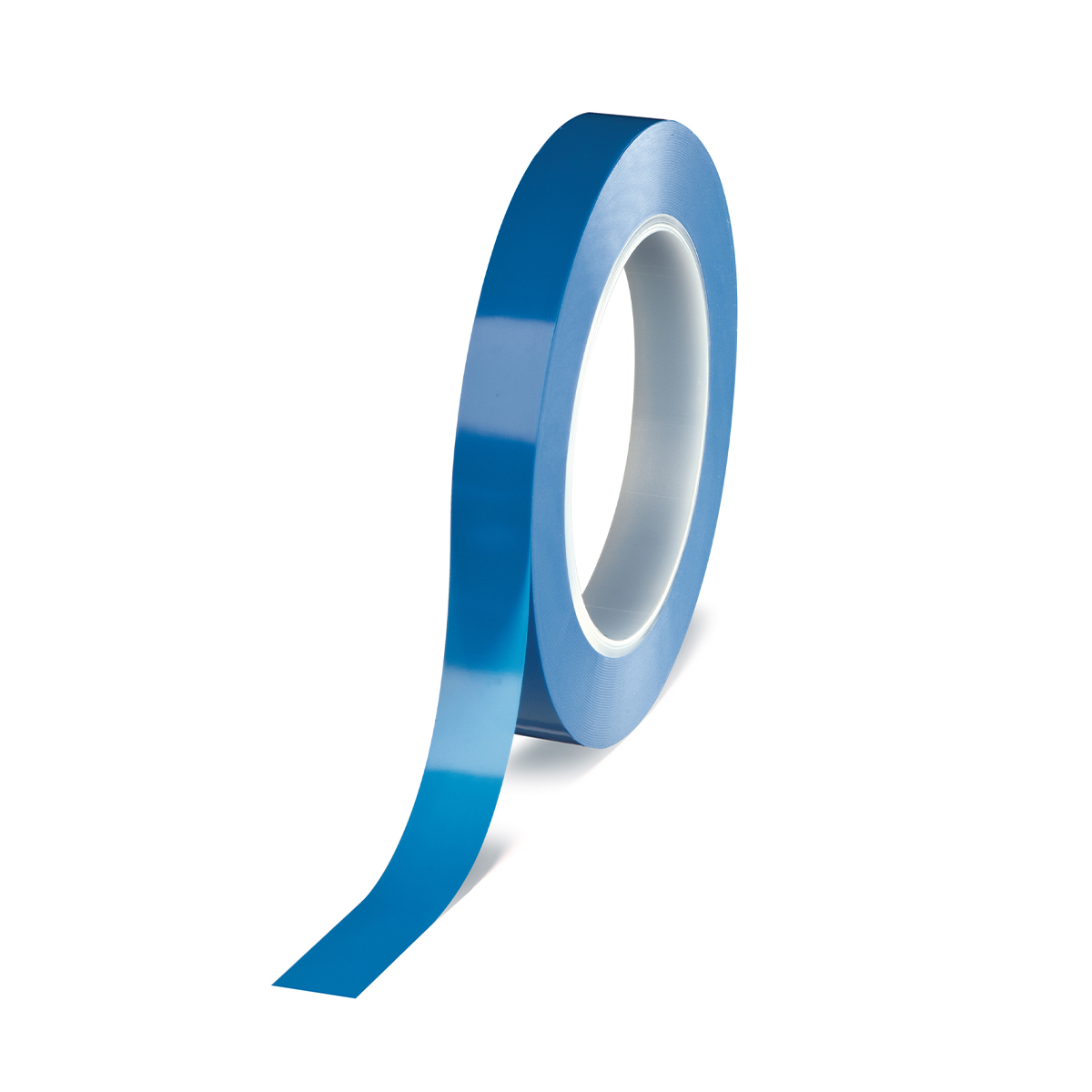
tesa® 4216 — PVC‑free fineline for low‑temperature & wet‑demasking

Key strengths:

  • PVC‑free, thin backing with acrylic adhesive.

  • 80°C/1h resistance; suitable for wet‑demasking and surface protection.

  • Good conformability; residue‑free removal.

  • Applicators available.

When to choose:

  • Low‑temperature paint shops, sustainability or PVC/halogen restrictions (common in rail).

  • Highly visible edges where thin construction improves flatness.

Sample applications:

Wet‑demask two‑tone jobs; rail interiors with PVC constraints.

tesa® 51109

tesa® 51109 — Tough pre‑bond masking for clean adhesive/bond areas

Key strengths:

  • PET masking that stays in place through the entire paint process, including power wash.

  • Fast, one‑piece removal—even after multiple oven cycles or pre‑treatments.

  • Keeps bonding zones (USW/liquid glue/tapes) free from overspray to ensure strong joints.

When to choose:

  • To protect C‑side/backside of molded parts or any area that must remain unpainted for later bonding.

  • Lines with aggressive wash or multiple bakes where standard tapes might fail.

Sample applications:

Door trims, body claddings, exterior/interior attachments requiring post‑paint bonding.

Quick Selector / Comparison Chart

Use this as a first pass; always validate with trials on your exact substrates and paint system.

Tape Backing Adhesive Temp Resistance PVC‑Free Conformability (tight curves) Edge Quality for Visible Lines Ghosting/Residue Typical Uses Applicator Availability
tesa® 50777 Soft PVC Acrylic Up to 160 °C No Excellent Very good No ghosting at high temp High‑temp two‑tone; tight curves Yes
tesa® 4174 Film (fineline) 150 °C/1 h Good Sharp, flat edge No ghosting/residue to 150 °C Painted & non‑painted, plastics Check
tesa® 4185 Thin PVC Natural rubber 160 °C/1 h No Good Excellent (thin design) Residue‑free removal Premium visible split lines Yes
tesa® 4244 PV0 Soft PVC Natural rubber 140 °C/1 h No Very good incl. 3D Very good Edge stays down; clean removal Bumpers; 3D shapes; mid‑temp Yes
tesa® 4216 Thin PVC – free Acrylic 80 °C/1 h Yes Good Excellent (thin design) Residue‑free removal Low‑temp, wet‑demasking, sustainability Yes
tesa® 51109 PET Multi‑cycle process Yes Rigid (not a fineline) One‑piece, clean remova Pre‑bond area protection

How to choose quickly

  • 160°C high‑temp two‑tone: 50777 (acrylic, no ghosting) or 4185 (thin line, rubber).

  • Mid‑temp plastics/3D parts (e.g., bumpers): 4244 PV0.

  • Low‑temp or wet‑demasking / PVC‑free required (rail): 4216.

  • Painted + non‑painted mix / plastics with sharp edges: 4174.

  • Protect bonding areas from overspray: 51109

Why EKO‑TECH

Being a Platinum Converter means top‑tier partnership with direct access to the full tesa portfolio, engineering support, and priority service. What this means for you:

  • Faster sampling & lead times on niche widths/lengths and special formats.

  • Application engineering to match tape to your paint system, bake profile, and substrates.

  • Process optimization (edge quality, takt time, demasking speed, rework reduction).

All‑in‑One Converter & Adhesive Solutions Provider EKO‑TECH brings end‑to‑end converting in‑house—from narrow slitting to die‑cut/kiss‑cut kits and spool‑wound (cross‑wound) formats for long design lines used on buses/trains.

  • ISO 9001 & ISO 14001: controlled quality and environmental stewardship.

  • Kitting & standardization: left/right sets, station‑ready kits, color‑coded liners.

  • Applicators & aids: standardized/custom applicators for repeatability and speed.

  • Broader portfolio at one source: beyond masking—bonding tapes (e.g., acrylic foam), gaskets/foams (PORON®, BISCO®), insulation films, and more for adjacent production steps.

  • On‑site support: audits, line trials, operator training, and continuous improvement.

Benefits to your paint shop

  • Sharper edges with fewer paint defects → less rework.

  • Faster application and clean, one‑piece demaskinghigher throughput.

  • Protected bonding areas → stronger, more reliable joints post‑paint.

  • Consolidated supply and documentation → reduced admin and inventory burden.

Summary

Fineline masking determines the visual quality and consistency of two‑tone and design painting in automotive and bus/rail production. Matching temperature class, adhesive system, backing flexibility, and process specifics (wet‑demask, power wash, multiple bakes, PVC‑free requirements) ensures sharp edges without ghosting or residue. The tesa® range above covers high‑temp precision lines, mid‑temp complex 3D parts, low‑temp/wet‑demask, and pre‑bond area protection—supported by EKO‑TECH’s platinum‑level converting, kitting, and on‑site expertise.


Get a fineline masking sample kit and a line‑side trial plan.

Speak with our specialists to match the optimal tesa® tape to your paint system and receive custom‑cut widths, die‑cuts, or spool‑wound formats tailored to your station.